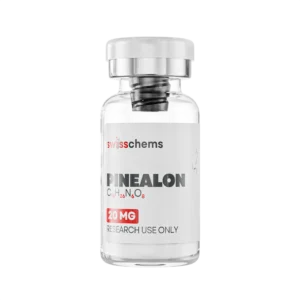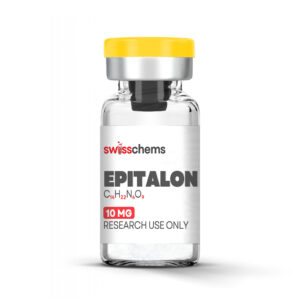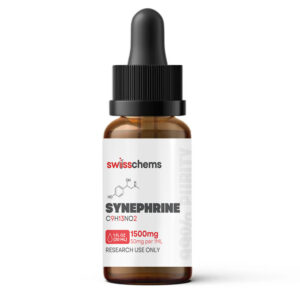
Bioregulators: The Future of Precision Research in Molecular Regulation
Bioregulators represent one of the most fascinating frontiers in modern biochemical research, offering unprecedented precision in modulating biological processes at the molecular level. These specialized compounds—typically short peptide chains or signaling molecules—exhibit remarkable specificity in targeting particular cellular pathways, making them invaluable tools for researchers investigating complex physiological systems. Unlike broader-acting compounds, bioregulators can fine-tune specific biological functions without triggering widespread systemic effects, allowing for more controlled experimental conditions and clearer interpretation of results.1 2
The therapeutic potential of bioregulators has captured the attention of research institutions worldwide. These compounds demonstrate exceptional promise in areas ranging from tissue regeneration to immune modulation, cognitive enhancement to metabolic regulation. Their ability to restore optimal functioning of specific biological systems rather than merely suppressing symptoms represents a paradigm shift in how we approach biological research and potential therapeutic applications.3 4
Classification and Mechanisms of Action
Bioregulators can be broadly categorized into several distinct classes based on their structure and mechanism of action. Peptide bioregulators, such as those found in cartilage and epithelial tissues, typically consist of short amino acid chains that interact with specific cellular receptors to initiate cascading biological responses. These compounds often exhibit tissue-specific activity, meaning they preferentially affect certain cell types while leaving others untouched.2
Another significant category includes nucleic acid-based regulators that influence gene expression patterns. These molecules can upregulate or downregulate specific genes involved in critical biological processes, offering researchers powerful tools to investigate genetic contributions to various physiological states. The precision of these regulators makes them particularly valuable for studies requiring controlled manipulation of cellular behavior without introducing confounding variables.5
Small molecule bioregulators represent yet another important class, often derived from natural sources or synthesized to mimic natural signaling compounds. These molecules typically interact with enzyme systems or membrane receptors to modulate cellular metabolism, proliferation, or differentiation. Their relatively simple structure makes them more stable and easier to store than peptide-based regulators, while still maintaining significant biological specificity.6
Applications in Advanced Research Settings
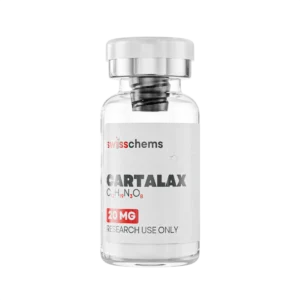
The versatility of bioregulators has led to their adoption across diverse research domains. In regenerative medicine, compounds like Cartalax and Prostamax have demonstrated remarkable potential in stimulating tissue-specific repair processes. Researchers investigating cartilage regeneration, for instance, utilize cartilage-derived bioregulators to stimulate extracellular matrix production and chondrocyte proliferation, providing insights into potential interventions for degenerative joint conditions.7 8
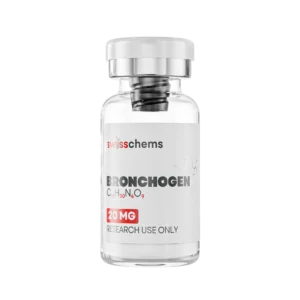
Neurological research represents another rapidly expanding application area. Bioregulators that can cross the blood-brain barrier offer unprecedented opportunities to study neural plasticity, cognitive enhancement, and neuroprotection. Compounds like Bronchogen and epithalamin have shown promise in modulating neurotrophic factors, potentially offering new avenues for investigating age-related cognitive decline and neurodegenerative conditions.9
The field of immunological research has also benefited significantly from bioregulator technology. These compounds can selectively modulate various components of the immune system, allowing researchers to investigate the complex interplay between immune cells, cytokines, and inflammatory processes. This selective modulation capability proves particularly valuable when studying autoimmune conditions, vaccine responses, or age-related immune senescence.10
Technical Considerations for Research Applications
When implementing bioregulators in research protocols, several technical factors must be carefully considered. Purity standards are paramount, as even minor contaminants can significantly affect experimental outcomes. Industrial-grade bioregulators should exceed 98% purity, verified through analytical techniques such as HPLC, mass spectrometry, and nuclear magnetic resonance spectroscopy.11 12
Storage conditions vary significantly between different classes of bioregulators. Peptide-based regulators typically require lyophilized storage at temperatures below -20°C to maintain structural integrity, while small molecule regulators may be more stable at refrigerated temperatures. Researchers must establish appropriate stability testing protocols to verify that their storage conditions preserve biological activity throughout the study duration.13
Administration routes represent another critical consideration. While many bioregulators demonstrate activity through multiple delivery methods, some exhibit optimal bioavailability through specific pathways. Intranasal administration, for instance, may provide enhanced central nervous system access for certain peptide regulators, while subcutaneous injection might offer more consistent systemic exposure for others. Understanding these pharmacokinetic nuances is essential for experimental design and reproducibility.14
Procurement Strategies for Research Institutions
Sourcing high-quality bioregulators requires careful evaluation of potential suppliers. Research institutions should prioritize vendors who provide comprehensive documentation including certificates of analysis, batch records, and stability testing results. This documentation not only ensures research integrity but also facilitates publication requirements and institutional review board approvals.15 16
For bulk purchasers, establishing direct relationships with manufacturers can provide several advantages beyond cost savings. These relationships often include access to technical support, custom synthesis capabilities, and priority allocation during supply shortages. However, quality assurance should never be compromised for economic considerations—the most reliable suppliers maintain transparent manufacturing processes and rigorous quality control standards.17 18
International research collaborations introduce additional procurement complexities. Regulatory frameworks for bioregulator compounds vary significantly between regions, necessitating careful attention to import/export documentation and compliance requirements. Suppliers with global distribution capabilities and experience navigating international regulations can significantly streamline these processes, preventing costly interruptions in research timelines.19
Emerging Research Directions
As our understanding of molecular biology continues to advance, bioregulators remain at the forefront of experimental innovation. Emerging research suggests potential applications in areas ranging from epigenetic modulation to mitochondrial optimization. The specificity of these compounds makes them particularly valuable for next-generation research methodologies that require precise biological manipulation without broader systemic effects.20 21
The field of personalized medicine represents another promising frontier for bioregulator research. By identifying individual variations in biological regulatory pathways, researchers can potentially develop customized intervention strategies tailored to specific biochemical profiles. This precision approach could revolutionize how we think about biological optimization and potential therapeutic applications.22
For educational purposes and research applications, Swissyneu.com provides comprehensive product information and technical specifications for various bioregulator compounds, serving as a valuable resource for researchers seeking reliable chemical supplies. Their commitment to quality assurance and technical support makes them an ideal partner for research institutions working with these specialized compounds.23
Showing 1–9 of 15 results