Post-Cycle Therapy Research: Industrial Grade Compounds for Hormonal Recovery Studies
Post-Cycle Therapy (PCT) research represents a critical domain in endocrinology and pharmacology, focusing on the restoration of natural hormonal function following periods of exogenous compound administration. The scientific investigation of PCT protocols has gained significant momentum as researchers seek to understand the complex mechanisms of hypothalamic-pituitary-gonadal axis recovery and develop evidence-based approaches to hormonal normalization. For research institutions examining these intricate biological processes, access to high-purity, industrial-grade PCT compounds is essential for producing reliable, reproducible results that can advance our understanding of endocrine recovery.1 2
The complexity of hormonal regulation demands precision in every aspect of experimental design. From hypothalamic signaling and pituitary hormone release to gonadal response and peripheral feedback mechanisms, each component of the endocrine system involves sophisticated regulatory networks that researchers must navigate with care. Swissyneu.com provides researchers with the chemical tools necessary to probe these endocrine pathways with the accuracy required for modern hormonal studies, ensuring that experimental outcomes reflect true biological effects rather than artifacts of impure or inconsistent reagents.3 4
Fundamental Mechanisms in PCT Research
At the molecular level, PCT research encompasses several critical pathways that have become focal points for investigation. The hypothalamic-pituitary-gonadal (HPG) axis represents the primary system under study, with its complex feedback loops and regulatory mechanisms. When exogenous compounds suppress natural hormone production, the HPG axis enters a downregulated state, and understanding how to safely and effectively restore its function has become a central focus of endocrine research.5 6
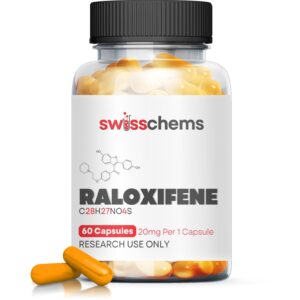
Selective Estrogen Receptor Modulators (SERMs) constitute one of the most extensively studied classes of PCT compounds. These molecules exhibit tissue-specific estrogen receptor agonism or antagonism, allowing them to block estrogen’s negative feedback on the hypothalamus and pituitary while potentially preserving estrogen’s beneficial effects in other tissues. This dual action makes SERMs particularly valuable for research into HPG axis recovery mechanisms.7 8
Aromatase inhibitors represent another cornerstone of PCT research, working through a different mechanism than SERMs. By inhibiting the aromatase enzyme responsible for converting androgens to estrogens, these compounds reduce overall estrogen levels, thereby decreasing estrogen-mediated negative feedback on the HPG axis. Research into the comparative effectiveness of aromatase inhibitors versus SERMs, or their combination, continues to be an active area of investigation.9 10
Key Compounds in Contemporary PCT Research
Several compounds have established themselves as particularly valuable tools across PCT research domains. Tamoxifen, perhaps the most extensively studied SERM, has demonstrated remarkable potential in research examining HPG axis recovery. Its mechanisms involving estrogen receptor modulation in hypothalamic and pituitary tissues make it an indispensable tool for researchers investigating endocrine restoration pathways.11 12
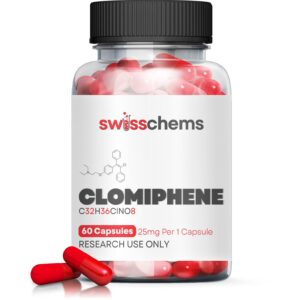
Clomiphene citrate, another widely studied SERM, has garnered significant research interest due to its ability to stimulate endogenous testosterone production. Its mixed estrogen agonist/antagonist activity provides researchers with a valuable tool for investigating the nuanced regulation of the HPG axis. For researchers studying fertility and hormonal recovery, high-purity clomiphene provides an essential compound for experimental investigation.13 14
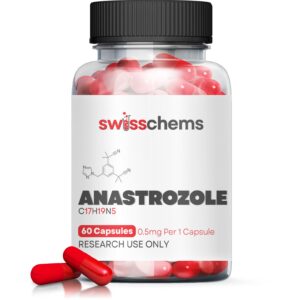
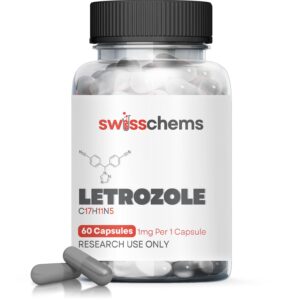
Aromatase inhibitors like Anastrozole and Letrozole have emerged as critical compounds for research into estrogen suppression and subsequent hormonal recovery. Their potent aromatase inhibition capabilities make them particularly valuable for studying the relationship between estrogen levels and gonadotropin production. The precise mechanisms through which these compounds affect the HPG axis continue to be elucidated through ongoing research efforts.15 16
Human Chorionic Gonadotropin (HCG) represents a different approach to PCT research, functioning as a luteinizing hormone analog that directly stimulates testicular testosterone production. Research into HCG’s role in preventing testicular atrophy and preserving fertility during periods of hormonal suppression has provided valuable insights into testicular function and recovery mechanisms.17 18
Technical Considerations for PCT Research
When implementing PCT compounds in research protocols, several technical factors demand careful consideration. Purity standards are paramount, as even minor contaminants can significantly affect hormonal outcomes, particularly in sensitive assays measuring subtle changes in hormone levels. Industrial-grade PCT compounds intended for research should exceed 98% purity, verified through analytical techniques such as HPLC, mass spectrometry, and NMR spectroscopy.19 20
Pharmacokinetic characteristics vary significantly between different classes of PCT compounds. SERMs typically have extended half-lives and active metabolites that must be accounted for in experimental design. Aromatase inhibitors may have different onset and duration of action, requiring tailored administration schedules. Researchers must establish appropriate dosing and monitoring protocols to verify that their interventions produce the intended hormonal effects.21 22
Hormone measurement presents another critical challenge in PCT research. The precision required for accurately measuring changes in testosterone, LH, FSH, estradiol, and other hormones necessitates validated assay methods and appropriate timing of sample collection. The pulsatile nature of some hormones and diurnal variations in others add further complexity to experimental design and data interpretation.23 24
Applications in Specialized Research Domains
The versatility of PCT compounds has led to their application across diverse specialized research domains. In male fertility research, for instance, compounds that restore endogenous testosterone production while supporting spermatogenesis provide valuable tools for investigating the hormonal regulation of sperm production. These studies often require sophisticated assessments including semen analysis, testicular ultrasound, and detailed hormonal profiling.25 26
Hypogonadism research represents another rapidly expanding application area for PCT compounds. Whether investigating age-related testosterone decline, functional hypogonadism, or recovery from anabolic steroid-induced suppression, researchers employ PCT protocols to understand the potential for endogenous recovery. These studies often incorporate quality of life assessments, body composition analysis, and metabolic health parameters alongside hormonal measurements.27 28
Endocrine oncology research has increasingly incorporated PCT compounds as tools to investigate the hormonal regulation of certain cancers. The role of estrogen in breast cancer and testosterone in prostate cancer has led to research into how manipulating these hormones might affect cancer progression. This application requires particularly careful consideration of dosing and monitoring due to the potential implications for cancer growth and recurrence.29 30
Procurement Strategies for Research Institutions
Sourcing high-quality PCT compounds for research requires careful evaluation of potential suppliers and comprehensive quality assurance protocols. Research institutions should prioritize vendors who provide complete documentation including certificates of analysis, batch records, stability data, and method validation information. This documentation not only ensures research integrity but also facilitates publication requirements and institutional review board approvals.31 32
For bulk purchasers, establishing direct relationships with manufacturers can provide several advantages beyond cost considerations. These relationships often include access to technical support, custom synthesis capabilities, and priority allocation during supply shortages. However, quality assurance should never be compromised for economic advantages—the most reliable suppliers maintain transparent manufacturing processes and rigorous quality control standards.33 34
International research collaborations introduce additional procurement complexities that must be carefully managed. Regulatory frameworks for PCT compounds vary significantly between regions, particularly regarding classification as prescription medications, research chemicals, or controlled substances. Suppliers with global distribution capabilities and experience navigating international regulations can significantly streamline these processes, preventing costly interruptions in research timelines.35 36
Emerging Frontiers in PCT Research
The field of PCT research continues to evolve rapidly, with several emerging frontiers showing particular promise. The development of more selective estrogen receptor modulators with improved tissue specificity represents an exciting area of investigation. These next-generation SERMs may offer researchers more refined tools to investigate the specific roles of estrogen signaling in different tissues while minimizing unwanted effects.37 38
Selective androgen receptor modulators (SARMs) represent another emerging frontier in hormonal research. While primarily investigated for their potential muscle-building effects, SARMs also provide researchers with tools to study androgen receptor signaling in different tissues. Their tissue-specific activity may offer insights into how selective activation of androgen receptors might influence endocrine recovery processes.39 40
The role of peptides in endocrine recovery has garnered increasing research interest. Compounds like Kisspeptin-10, which directly stimulates GnRH release, and other neuropeptides that modulate the HPG axis offer novel approaches to investigating hormonal recovery. These peptide-based interventions may provide more targeted approaches to restoring endocrine function with potentially fewer systemic effects than traditional PCT compounds.41 42
For educational purposes and research applications, Swissyneu.com provides comprehensive product information and technical specifications for various PCT research compounds, serving as a valuable resource for researchers seeking reliable endocrine research supplies. Their commitment to quality assurance and technical support makes them an ideal partner for research institutions working with these specialized hormonal compounds.43
Showing 1–9 of 10 results