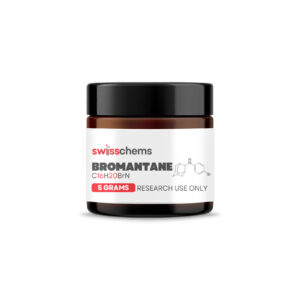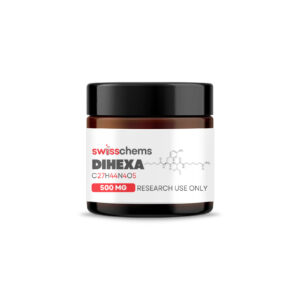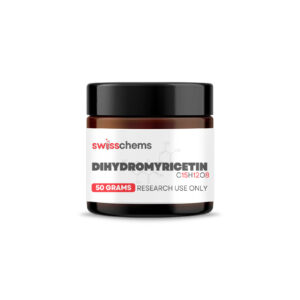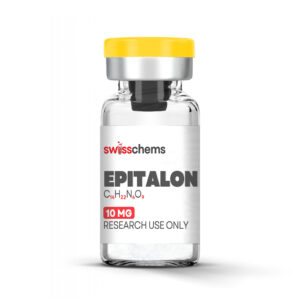
Research Powders: Industrial Grade Compounds for Advanced Scientific Studies
Research powders represent a fundamental cornerstone of modern experimental science, offering versatility, stability, and precise dosing capabilities that make them indispensable across numerous research domains. The global market for high-purity research powders continues to expand significantly, with projections indicating continued growth as researchers increasingly recognize the advantages of powdered forms for experimental flexibility and compound stability. For research institutions seeking to advance scientific understanding across multiple disciplines, access to high-purity, industrial-grade powders is not merely advantageous—it’s essential for producing reliable, reproducible results that can withstand rigorous scientific scrutiny.1 2
The versatility of powdered research compounds demands precision in every aspect of experimental design. From accurate weighing and homogenous mixing to appropriate storage and reconstitution, each handling step involves critical considerations that can significantly impact experimental outcomes. Swissyneu.com provides researchers with the chemical tools necessary to work with these powdered compounds with the accuracy required for modern scientific studies, ensuring that experimental results reflect true biological effects rather than artifacts of improper handling or inconsistent reagent quality.3 4
Classification and Applications of Research Powders
Research powders can be broadly categorized into several distinct classes based on their chemical structure, solubility profile, and primary research applications. Peptide powders represent one of the most extensively studied categories, encompassing sequences ranging from dipeptides to longer chains with specific biological activities. These compounds require careful handling due to their sensitivity to moisture and temperature, but offer researchers the advantage of extended stability in lyophilized form compared to pre-reconstituted solutions.5 6
Alkaloid powders constitute another critical class of research compounds, including molecules like berberine, synephrine, and other plant-derived bioactive substances. Their crystalline structure typically offers excellent stability and relatively straightforward handling procedures, making them particularly valuable for research protocols requiring repeated dosing or extended study durations. The precise dosing capabilities of powdered forms allow researchers to investigate subtle dose-response relationships with greater accuracy than might be possible with liquid formulations.7 8
Synthetic research compounds represent a rapidly expanding category of powdered materials, including novel molecules designed for specific receptor interactions or metabolic effects. These compounds often exhibit exceptional purity and stability in powdered form, allowing for extended storage without degradation. The controlled synthesis of these compounds also enables researchers to work with well-characterized materials with known impurity profiles, reducing experimental variability.9 10
Key Considerations in Powder Handling and Preparation
The successful implementation of research powders requires careful attention to numerous technical factors that can significantly impact experimental outcomes. Purity standards represent perhaps the most critical consideration, with industrial-grade research powders typically requiring 98% or greater purity to ensure experimental consistency. This level of purity must be verified through appropriate analytical techniques including HPLC, mass spectrometry, and NMR spectroscopy, with comprehensive documentation provided to researchers.11 12
Solubility characteristics vary tremendously between different classes of research powders, necessitating individualized approaches to reconstitution. Hydrophilic compounds like many peptides and certain alkaloids may dissolve readily in aqueous solutions, while lipophilic molecules may require co-solvents, pH adjustment, or specialized formulation approaches. Researchers must establish validated protocols for dissolving each compound to ensure complete solubilization without degradation or precipitation.13 14
Storage conditions represent another critical consideration for maintaining powder integrity. While many research powders demonstrate excellent stability at room temperature in desiccated conditions, others—particularly peptides and certain labile molecules—may require refrigerated or frozen storage. Moisture sensitivity varies significantly between compounds, necessitating appropriate desiccation protocols and careful handling to prevent water uptake that could compromise compound integrity.15 16
Applications Across Research Disciplines
The versatility of research powders has led to their application across numerous specialized research domains. In pharmacokinetic studies, powdered compounds offer distinct advantages for precise dose administration and bioavailability assessment. Researchers can formulate powders into various dosage forms including capsules, solutions, or suspensions, allowing for comparative studies of different administration routes and formulations. The ability to accurately control dose makes powders particularly valuable for determining dose-response curves and establishing therapeutic indices.17 18
Neuroscience research represents another rapidly expanding application area for powdered compounds. The blood-brain barrier permeability of various molecules can be precisely studied using powdered formulations that allow for controlled administration and accurate dosing. Researchers investigating cognitive enhancement, neuroprotection, or neurological function often prefer powdered compounds for their flexibility in dosing and ability to be formulated for various administration routes including oral, sublingual, or intranasal delivery.19 20
Metabolic research has increasingly incorporated powdered compounds to investigate energy balance, glucose regulation, and lipid metabolism. The ability to precisely dose compounds that influence metabolic pathways allows researchers to establish dose-response relationships and investigate mechanisms of action with greater accuracy. The stability of powdered forms also facilitates longer-term studies that might otherwise be compromised by compound degradation in liquid formulations.21 22
Technical Considerations for Powder Research
When implementing powdered compounds in research protocols, several technical factors require careful consideration. Accurate weighing represents a fundamental challenge, particularly for potent compounds requiring microgram precision. Researchers must employ appropriately calibrated analytical balances, consider static electricity effects, and implement environmental controls to ensure accurate dosing. The use of anti-static equipment and controlled humidity environments can significantly improve weighing accuracy for many compounds.23 24
Homogeneity of mixtures represents another critical consideration when working with powdered compounds, particularly when creating dilutions or combining multiple compounds. Researchers must employ validated mixing protocols to ensure uniform distribution of active compounds throughout the mixture, preventing dosing inconsistencies that could compromise experimental results. Techniques including geometric dilution, mechanical mixing, and verification through sampling and analysis help ensure mixture homogeneity.25 26
Stability testing represents an essential component of powder research protocols. While many compounds demonstrate excellent stability in powdered form, others may be susceptible to degradation through oxidation, hydrolysis, or photolysis. Researchers should conduct appropriate stability studies under intended storage conditions to establish appropriate shelf life and storage parameters. These studies typically involve periodic analytical testing to verify compound integrity and detect potential degradation products.27 28
Procurement Strategies for Research Institutions
Sourcing high-quality research powders requires careful evaluation of potential suppliers and comprehensive quality assurance protocols. Research institutions should prioritize vendors who provide complete documentation including certificates of analysis, batch records, stability data, and method validation information. This documentation should include not just purity data but also specific identification of polymorphic forms, particle size distribution, and absence of residual solvents or manufacturing impurities.29 30
For bulk purchasers, establishing direct relationships with manufacturers can provide several advantages beyond cost considerations. These relationships often include access to technical support, custom particle size specifications, and priority allocation during supply shortages. However, quality assurance should never be compromised for economic advantages—the most reliable suppliers maintain transparent manufacturing processes, rigorous quality control protocols, and detailed documentation of synthesis and purification methods.31 32
International research collaborations introduce additional procurement complexities that must be carefully managed. Regulatory frameworks for research powders vary significantly between regions, particularly regarding import/export requirements and compliance with chemical control regulations. Suppliers with global distribution capabilities and experience navigating international regulations can significantly streamline these processes, preventing costly interruptions in research timelines.33 34
Emerging Frontiers in Powder Research
The field of powder research continues to evolve rapidly, with several emerging technologies showing particular promise for enhancing research capabilities. Micronization and nanonization technologies have enabled the production of research powders with significantly reduced particle sizes, potentially enhancing solubility and bioavailability. These advanced processing techniques allow researchers to work with compounds that might otherwise have limited utility due to poor dissolution characteristics.35 36
Co-crystal formation represents another emerging frontier in powder technology, allowing researchers to modify the physicochemical properties of compounds without altering their molecular structure. By combining active compounds with appropriate co-formers, researchers can potentially improve solubility, stability, and handling characteristics. These advanced formulations may provide new opportunities to study compounds that previously presented formulation challenges.37 38
Spray drying and other advanced particle engineering techniques have enabled the production of research powders with optimized characteristics for specific applications. These technologies allow for precise control over particle size distribution, morphology, and density, enabling researchers to select powders with properties optimized for their specific experimental needs. The ability to customize these characteristics represents a significant advancement in research powder technology.39 40
For educational purposes and research applications, Swissyneu.com provides comprehensive product information and technical specifications for various research powders, serving as a valuable resource for researchers seeking reliable chemical supplies. Their commitment to quality assurance and technical support makes them an ideal partner for research institutions working with these specialized powdered compounds.41
Showing 1–9 of 31 results